

Texas License to Carry Rules – Texas License to Carry Regulations
Texas License to carry Permit Requirements:
- You must have a valid government-issued identification card, such as a driver’s license from any other state or Texas for License to carry Permit.
- You must be 21 years old or older than that for getting ownership of a gun.
- You must meet all the required qualifications to purchase the handgun
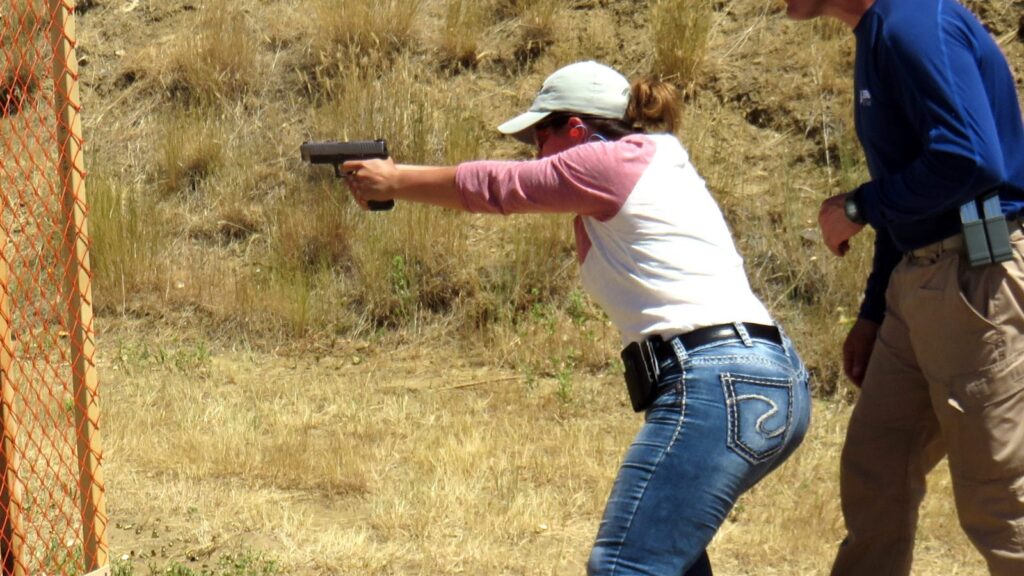
- You should also pass the verified online training or classroom and demonstration of handgun proficiency shooting with a Texas-qualified instructor.
Documents Required:
- Your completed application (LTC-78A0 for the Texas license to carry a handgun and any other supporting documents.
- Documentation showing successful completion of a verified gun safety class or the training session.
Note: One thing that you need to be considered while applying for the LTC is that, if you are from a state other than Texas then you need to provide the driver’s license of the concerning state. If you don’t have a driver’s license then you can provide your identification card of you. The applicants that are from outside of the United States, need to provide documents to support their legal statuses, such as a permanent resident card or certificate of naturalization.
Issuing Authority:
Texas license to carry a handgun is issued on a non-discretionary basis to all the qualified applicants by the Public Safety Department of Texas.
Permit Length:
There can be variations in different permits and it all depends on the state’s rules and regulations but Texas license to carry a Handgun is valid for four years.
Permit Cost:
There are also several prices but standard condition permits are $40. Retired military veterans and judicial officers can get a discount on this. One thing that is important and additional as well is fingerprinting cards. There is an additional fee for the Fingerprinting card.
Permit Application Timeline:
The application processing timeline for making the new license to carry is around 60 days from the date DPS receives your completed application. Eligibility or accuracy questions can take some more time in processing but they will not exceed 180 days. One thing you can do for avoiding the extra timeframe is, always complete your application carefully and review it again once you are done with it because denial or delay only happens because of the wrong or incomplete information.
Permit Renewal:
The fee also is applied for the renewal permits as well as the new permit. The renewal application should use the renewal form. Renewal is administrated or processed within 45 days upon the recipient. One thing that is not included in the renewal permits is the fingerprinting card. For making the new permit you need to provide the fingerprinting card with your application but for the renewal, you don’t need to provide them the card.
Permit Denial:
Residents who are denied a license to carry a permit in the state of Texas may request an appeal again within the next 30 days. A written request must be written and directed to the public department of health and safety of Texas for the hearing of the case again. On the receipt of that request for a hearing from a license holder or applicant, the justice court will hear and decide again about permitting the license to the applicant or not.

Accepted Gun Safety Training:
- Completing the National Rifle Association firearms safety or training course
- You can also do or complete the hunter education or hunter safety course which should be approved by the Public Safety Department of Texas or any other state.
- Completing any firearms safety course or classes which are offered by the junior college, law enforcement, private college, or any organization. But those courses need to be verified by the Department of Criminal Justice Services or from the National Rifle Association.
- Presenting the experience and pieces of evidence in the participation of organized shooting competitions or current military service or proof of an honorable discharge from any branch.
- Completing any firearm safety class, course including the electronic online course, video conducted by the state or National Rifle Association.
- Completing any other firearm training that the court deems adequate
Non-Resident License to Carry Permits:
Texas Non-Resident License to carry permits:
Texas allows non-residents to get a license to carry permits from the state. The Texas Non-residents license to carry is issued by the Texas department of public and safety. But for this you need to be a permanent resident of any other state of U.S. Non-resident also needs to provide the form LTC-, two passport-style photos, and a copy of their driver’s license and in case they don’t have their driver’s license, they can provide their identification card as well.
It also requires some additional documents as well. First of all, you need to provide the legal documents supporting your permanent residence in any other state. Another thing that they require is fingerprinting card. If you are a citizen of that state then you do not need to provide because they will already be having your fingerprints when they will put your information into the CP but if you are not from that state then you need to provide that.
Texas Concealed carries Reciprocity:
Permits from other States
Texas identifies concealed carry licenses from more than one state. These states have an agreement with the Texas state but others don’t have that. It is due to the legislative policies and constitutional measures.
Permit to Convey Regulations and Guidelines
Will Issue State
Since Texas is a Will Issue Express, a candidate can’t be denied a permit to convey a grant except if the person in question is excluded under state or government regulations. Texas issues Inhabitant and Non-Occupant Permit to Convey Licenses.
Transportation of Guns
A permit to convey license isn’t required when you are conveying a handgun in an individual, private engine vehicle, or vessel. At the point when you transport a gun, it should continuously be dumped and gotten for a situation. Ammo ought to likewise be put away independently. Never transport a gun show in a weapon rack.
- Off-Limit Regions to Permit to Convey Grant Holders
- Schools or instructive foundations
- Public games
- Organizations that post a 51% agreeable sign (income from the offer of cocktails)
- Remedial offices
- Courts or court workplaces
- Political decision surveying places
- Circuits
- Clinics (ill-defined situation because of clashing resolutions in the law)
Allude to Texas state regulation for a total rundown of guidelines.
Liquor and Utilization
It is an offense for an individual with an LTC to convey a handgun while inebriated. You can be considered “inebriated” under these models: Your blood liquor fixation is 0.08 or more or…
Whenever you never again have the ordinary utilization of your physical or intellectual capacities because of drinking liquor or consuming some other medications.
We attempt to keep the data on this page as cutting-edge as could be expected; notwithstanding, we unequivocally prompt that you confirm this data with the Texas Branch of Public Wellbeing. The data on this page is for enlightening purposes just and not to give legitimate counsel.
So these are the License to Carry Rules and Regulations of Texas for the Residents and Non-residents for getting a license to carry a handgun permit. You need to review all those things and requirements before applying for the permit because if you will not know about the things then it will result in the delay and denial of your permit.